
Product Description
Product Description
|
CNC Machining Finishes |
Plastic Materials |
Metal CNC Machining Materials |
|
Standard (As-Milled) |
ABS |
CNC Machining Aluminum Alloys |
|
Bead Blast |
Acrylic |
CNC Machining Copper Alloys |
|
Tumbled |
Delrin (Acetal) |
CNC Machining Bronze Alloys |
|
Anodized (Type II Or Type III) |
Garolite |
CNC Machining Brass Alloys |
|
Titanium Anodize |
HDPE |
CNC Machining Stainless Steel Alloys |
|
PTFE Impregnated Hard Anodize |
Nylon 6/6 |
CNC Machining Steel Alloys |
|
Chem Film (Chromate Conversion Coating) |
PC (Polycarbonate) |
CNC Machining Titanium Alloys |
|
Passivation |
PEEK |
CNC Machining Zinc Alloys |
|
Powder Coat |
Polypropylene |
|
|
Electropolishing |
PTFE |
|
|
Electroless Nickel Plating |
UHMW PE |
|
|
Silver Plating |
PVC |
|
|
Gold Plating |
ULTEM |
|
|
Zinc Plating |
|
Detailed Photos
Company Profile
HangZhou Hangjia Metal Technology Limited
We are a supplier specializing in hardware customized machining metal parts manufacturing services established in June 2014 with a factory covering an area of 2,100 square feet. The company has strong technical force, perfect quality system, with CNC computerized lathe, automatic lathe, drilling machine, CNC turning and milling composite machine, precision engraving machine and other types of machining equipment and advanced testing equipment, which engineering technology and management personnel, and passed the certification of ISO9001-2015 quality system in 2017.
In line with the principle of honesty and trustworthiness, our company strictly controls the quality of products and processes, so as to free you from worries. In addition, we also provide sheet metal processing, stamping, bending, laser cutting and injection molding. We can provide one-stop service to complete your whole project. We absolutely provide our customers with the highest quality and on-time delivery.
Our Advantages
Hangjia Quality Promise
★ 15 days is on approval 365 days is replaceable
★ ISO 9001 certified, AS 9100 &ISO 13485 compliant
★ Material certifications available
★ Inspection reports included with every order
★ Quality guaranteed. lf a part is not made to spec, we’ll make it right.
|
|
Metal, PEEK AND ULTEM |
Other Plastic |
|
Linear Dimension |
+/-0.01mm +/-0.0003incn |
+/-0.05mm +/-0.002incn |
|
Hole Diameters(Not Reamed) |
+/-0.008mm +/-0.0003incn |
+/-0.05mm +/-0.002incn |
|
Shaft Diameters |
+/-0.004mm +/-0.00016incn |
+/-0.05mm +/-0.002incn |
Inspections:
3D instruments, 2D instruments, Projectors, Height Gauges, Inner diameter dial indicators, Dial gaues,Thread and Pin gauges, Digital calipers,Micro calipers, Thickness testers, Hardness testers Roughness testers, etc. ( Detection accuracy to 0.001 millimetre )
FAQ
Q1: Where can I get product & price information?
A1: Send us an inquiry e-mail, we will contact you once we received your mail.
Q2: How long will I get the sample?
A2: Depends on your specific items, within 3-7 days generally.
Q3: What kinds of information do you need for a quote?
A3: Kindly please provide the product drawings in PDF, if provide in STEP or IGS will be better.
Q4: What are the payment terms?
A4: We accept 50% as a payment deposit, when the goods are prepared, we shoot photos or videos for your check, and then you can
pay the balance. For small quantities, we accept Paypal, the commission will be added to the order. For big amounts, T/T is
preferred.
Q5: How to deliver the goods?A5: We deliver the products by courier company.
Q6: Are you a trading company or factory?
A6: We are factory direct with 17 experienced engineers and more than 50 employees as well approximate 5,000m2 workshop area.
Q7: What shall we do if we don’t have drawings?
A7: Please send your sample to our factory, then we can copy and provide you better solutions. If send us pictures or drafts with
dimensions(Length, Height, Width), CAD or 3D file will be made for you.
Q8: Can we get some samples before mass production?
A8: Absolutely yes.
Q9: Will my drawings be safe after sending them to you?
A9: Yes, we will keep them well and won’t release them to the third party without your permission.
Q10: Is it possible to know the operation status of my products without visiting your company?
A10: We will offer a detailed production schedule and send weekly reports with digital pictures and videos which show the
machining progress.
Q11: If you make poor quality goods, will you refund?
A11: In fact, we won’t take risks to produce poor-quality products. Meanwhile, we manufacture good quality products till you are
satisfied.
| Warranty: | Free Spare Parts |
|---|---|
| Shaping Mode: | Injection Mould |
| Surface Finish Process: | Polishing/Sand Blasting Heat Treatment Painting Po |
| Mould Cavity: | Custom |
| Plastic Material: | TPE PVC PA66+GF HDPE PE Pet ABS POM PA San Acrylic |
| Process Combination Type: | / |
| Samples: |
US$ 10/Piece
1 Piece(Min.Order) | |
|---|
| Customization: |
Available
| Customized Request |
|---|
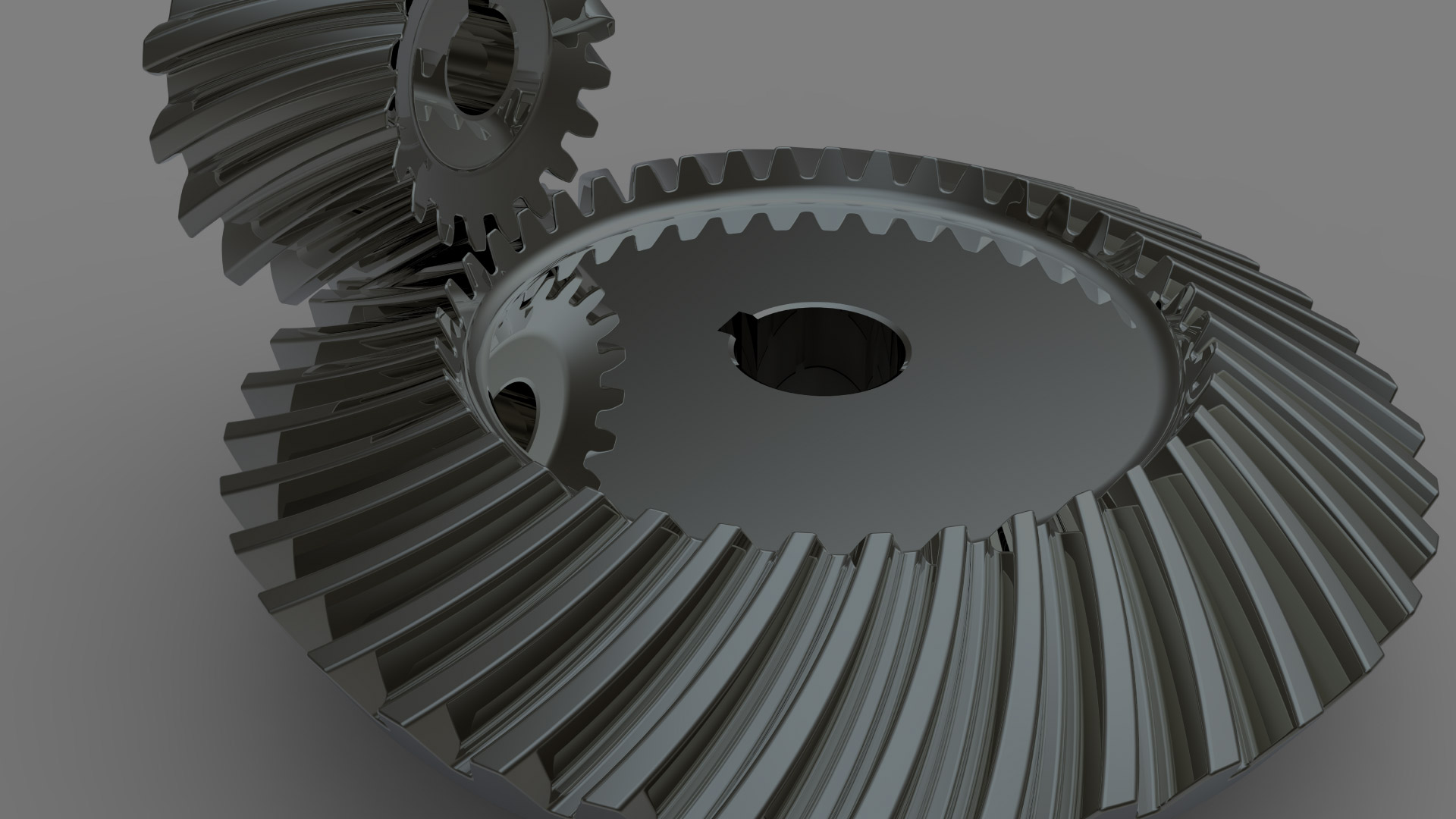
What are the advantages and disadvantages of using a bevel gear?
Bevel gears offer several advantages and disadvantages when used in mechanical systems. Understanding these pros and cons is crucial for selecting the appropriate gear type for a given application. Here’s a detailed explanation of the advantages and disadvantages of using a bevel gear:
Advantages of Bevel Gears:
- Power Transmission at Different Angles: Bevel gears are specifically designed to transmit power between intersecting shafts at different angles. They allow for efficient torque transmission and direction changes in applications where the input and output shafts are not parallel. This flexibility makes bevel gears suitable for a wide range of mechanical systems.
- Compact Design: Bevel gears have a compact and space-efficient design, allowing them to be used in applications with limited space constraints. Their ability to transmit power at an angle helps in optimizing the layout and arrangement of components in machinery and equipment.
- High Efficiency: Well-designed and properly maintained bevel gears can achieve high power transmission efficiency, typically above 95%. The efficient tooth engagement and load distribution in bevel gears minimize power losses due to friction and mechanical inefficiencies, resulting in energy-efficient operation.
- Smooth and Quiet Operation: Bevel gears generally provide smooth and quiet operation in properly designed and well-maintained systems. The meshing of the gear teeth is designed to minimize noise and vibration, ensuring smooth power transmission and reducing the need for additional noise-reducing measures.
- Versatility: Bevel gears are available in various configurations, including straight bevel, spiral bevel, and hypoid bevel gears. This versatility allows them to be used in a wide range of applications across different industries, accommodating different load capacities, speed requirements, and operating conditions.
- High Load Capacity: Bevel gears are capable of handling high loads and transmitting substantial amounts of torque. Their robust design, accurate tooth engagement, and strong materials make them suitable for heavy-duty applications where reliable power transmission is required.
Disadvantages of Bevel Gears:
- Complex Manufacturing: Bevel gears are more complex to manufacture compared to other gear types due to their three-dimensional shape and intricate tooth profiles. The manufacturing process involves specialized equipment and expertise, which can increase production costs.
- Cost: Bevel gears, especially those with high precision and load capacities, can be relatively expensive compared to other types of gears. The cost of materials, manufacturing complexity, and quality requirements contribute to their higher price.
- Potential for Noise and Vibration: In certain operating conditions, such as high speeds or misaligned gears, bevel gears can generate noise and vibration. This can be mitigated through proper design, accurate manufacturing, and maintenance practices, but additional measures may be necessary to reduce noise and vibration levels in some applications.
- Sensitive to Misalignment: Bevel gears are sensitive to misalignment, which can lead to increased friction, accelerated wear, and reduced efficiency. Proper alignment and control of backlash are essential for optimal performance and longevity of the gear system.
- Complex Lubrication: The lubrication of bevel gears can be more challenging compared to parallel-axis gears. Due to their angled tooth engagement, ensuring proper lubrication film thickness and distribution across the gear teeth requires careful consideration. Inadequate or improper lubrication can result in increased friction, wear, and reduced efficiency.
It’s important to consider these advantages and disadvantages of bevel gears in the context of specific applications and operating conditions. Proper design, selection, manufacturing, and maintenance practices can help maximize the benefits of bevel gears while mitigating their limitations.
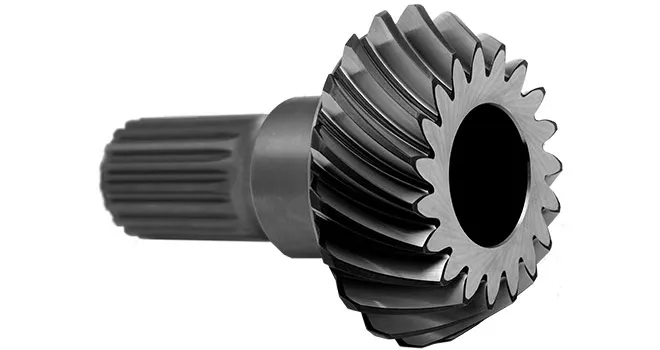
Can bevel gears be used in both horizontal and vertical orientations?
Yes, bevel gears can be used in both horizontal and vertical orientations, although certain considerations should be taken into account for each orientation. Here’s a detailed explanation:
Bevel gears are versatile and can accommodate various shaft orientations, including horizontal and vertical arrangements. The suitability of bevel gears for a specific orientation depends on factors such as load distribution, lubrication, and potential effects of gravity. Here are some considerations for each orientation:
- Horizontal Orientation: In horizontal applications, where the shafts are parallel to the ground, bevel gears can be used effectively. Proper lubrication is crucial to ensure adequate film formation and minimize friction and wear. Horizontal orientation typically allows for good load distribution among the gear teeth, promoting even wear and reducing the risk of localized stress concentrations. However, it is important to consider the effects of axial forces and thrust loads that may be present in the system and ensure that the gear design and bearings can handle these loads appropriately.
- Vertical Orientation: When bevel gears are used in a vertical orientation, where the shafts are perpendicular to the ground, additional considerations come into play. Gravity can introduce new challenges, such as the potential for gear thrust loads, lubricant pooling, and inadequate load distribution. To address these challenges, steps can be taken, including incorporating thrust bearings or thrust plates to handle axial forces, optimizing gear design to ensure proper load sharing, and implementing suitable lubrication methods to prevent lubricant pooling and ensure consistent lubrication to all gear surfaces. Additionally, proper sealing measures may be necessary to prevent lubricant leakage in the vertical orientation.
Overall, by considering the specific requirements and challenges associated with each orientation, bevel gears can be successfully utilized in both horizontal and vertical arrangements. Careful attention to design, lubrication, load distribution, and thrust management can help ensure reliable and efficient operation in either orientation.
It is important to note that for certain extreme or specialized applications, additional considerations and modifications may be required to accommodate the specific demands of the gear system. Consulting with experienced engineers and considering application-specific factors will help determine the most suitable gear design and orientation for a given application.
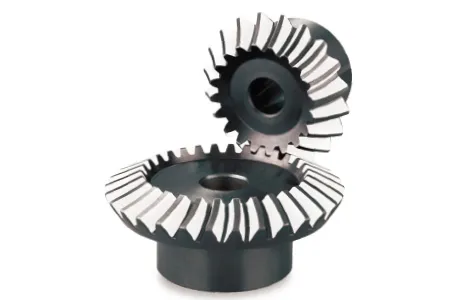
What is a bevel gear and how does it work?
A bevel gear is a type of gear that has teeth cut on the cone-shaped surface of the gear. It is used to transmit rotational motion and power between two intersecting shafts. Here’s a detailed explanation of what a bevel gear is and how it works:
A bevel gear consists of two cone-shaped gears with intersecting axes. The gear teeth are cut on the tapered surface of the gears. The gear with the smaller diameter is called the pinion, while the gear with the larger diameter is called the crown gear or ring gear.
Bevel gears are classified into different types based on their tooth geometry and arrangement. The most common types are straight bevel gears, spiral bevel gears, and hypoid bevel gears. Straight bevel gears have straight-cut teeth and intersect at a 90-degree angle. Spiral bevel gears have curved teeth that are gradually cut along the gear surface, allowing for smoother engagement and reduced noise. Hypoid bevel gears have offset axes and are used when the intersecting shafts are non-parallel.
When two bevel gears mesh together, the rotational motion from one gear is transmitted to the other gear. The gear teeth engage and disengage as the gears rotate, transferring torque and power between the shafts.
The operation of bevel gears is similar to that of other types of gears. When the pinion gear rotates, it causes the crown gear to rotate in the opposite direction. The direction of rotation can be reversed by changing the orientation of the gears. Bevel gears can provide different speed ratios and torque conversions depending on the gear sizes and the number of teeth.
The key characteristics of bevel gears include:
- Transmission of motion: Bevel gears are used to transmit rotational motion between intersecting shafts, allowing for changes in direction and speed.
- Torque transfer: Bevel gears can transmit torque from one shaft to another, allowing for power transmission in various mechanical systems.
- Axial thrust: Due to the angled tooth arrangement, bevel gears generate axial thrust forces that need to be properly supported or accounted for in the design of the mechanical system.
- Efficiency and noise: The efficiency and noise characteristics of bevel gears depend on factors such as tooth design, lubrication, and manufacturing quality.
Bevel gears are commonly used in a wide range of applications, including automotive differentials, power tools, printing presses, machine tools, and marine propulsion systems. Their ability to transmit motion and torque at intersecting angles makes them versatile and suitable for various mechanical systems.
In summary, a bevel gear is a cone-shaped gear that transmits rotational motion and power between intersecting shafts. It works by meshing the gear teeth of two gears, allowing for the transfer of torque and rotational motion. Bevel gears are available in different types and are used in various applications that require changes in direction or speed of rotational motion.


editor by CX 2023-11-14
 English
  Italian