
Descrizione del prodotto
Technical Parameter
| Housing material | HT200 high-strength cast iron(EWK37, EWK47, EWK57, EWK67, EWK77, EWK87) |
| Housing material | HT250 High strength cast iron(EWK97, EWK107, EWK127, EWK157, EWK167, EWK187) |
| Gear material | 20CrMnTi |
| Gear Surface&hardness | HRC58°-62° |
| Gear core hardness | HRC33°-78° |
| Input/Output shaft material | 40Cr |
| Gear Machining precision | Accurate grinding 6-5 grade |
| Heat treatment | Carburizing, Quenching etc |
| Efficiency | Up to 92% |
| Noise(Max) | 60-67dB |
| Installation type | Foot mounted, flange mounted |
| Output type | Solid shaft, Hollow shaft, splined hollow shaft, shrink disk |
| Bearing brand | NSK, SKF, HRB, ZWZ etc |
| Oil seal brand | NAK, KSK etc |
| Lubricant | VG220 |
| Motor | IP55, F class |
| Motor shaft | 40Cr, Carburizing, Quenching etc |
| Warranty | 12months |
| Color | Blue, Grey |
Features
♦Specially designed for agitator.
♦Compact structure, Integrated casting housing, low noise and long service life.
♦High efficiency and low maintenance.
Technical Data
Ratio I=8.1~191, combination of EWK/EWR is up to13459
Efficiency: 94%, and combination of EWK/EWR85%.
Size EWK37~EWK187.
Industrial Application
Power Plant Equipment
Metallurgical Industry
Metal Forming Machinery
Petrochemical Industry
Mining Machine
Hoisting Machinery
Construction Industry
Environmental Protection Industry
Cable Industry
Food Machinery
Certificates
Passed ” ISO 9001 International Quality System Certificate”, “Europe CE Certificate”, ” Swiss SGS Certificate”, “High-tech enterprise certificate of ZheJiang city”, “Excellent performance management enterprise of ZheJiang city”, etc.
FAQ
1. Q: Can you make as per custom drawing?
A: Yes, we offer customized service for customers.
2. Q: Are you a factory or trading company?
A. We are manufacturer in ZheJiang China.
3. Q: What’s your MOQ?
A: One piece.
4. Q: What’s your production time?
A: 7-15 working days after receiving payment.
5. Q: What’s your payment terms?
A: T/T, 30% payment in advance, 70% balance payment should be paid before shipping.
6. Q: What’s your package?
A: In wooden box packaging.
ZheJiang CHINAMFG Gear Reducer Co., Ltd., former a joint venture invested by is a ZheJiang CHINAMFG GROUP and Well Company of America. We are professional manufacturer of the gear reducers and specialize in the gear reducers area in China for 20 years. CHINAMFG has excellent R&D team, top-ranking production and test equipment. So we have the strong power in the developing and manufacturing the standards type as well as the customized type gear reducer for our customers.
| Applicazione: | Machinery |
|---|---|
| Hardness: | Hardened Tooth Surface |
| Installation: | 90 Degree |
| Layout: | Right-Angle |
| Gear Shape: | Ingranaggio conico |
| Step: | Three-Step |
| Customization: |
Available
| Customized Request |
|---|
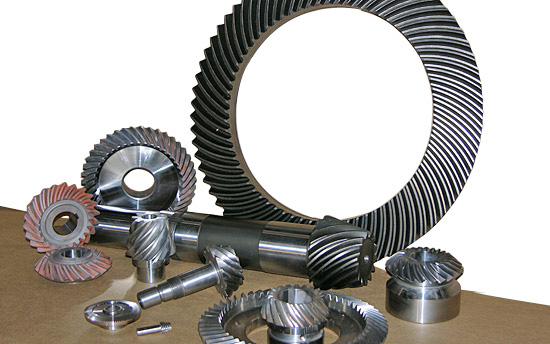
Può fornire esempi di macchinari che utilizzano ingranaggi conici?
Bevel gears are widely used in various machinery and mechanical systems where torque transmission and direction changes are required. These gears are specifically designed to transmit power between intersecting shafts at different angles. Here are some examples of machinery and equipment that commonly use bevel gears:
- Industria automobilistica: Gli ingranaggi conici sono ampiamente utilizzati nelle applicazioni automobilistiche. Si trovano in diverse parti dei veicoli, tra cui il sistema di ingranaggi del differenziale, i componenti della catena cinematica, i sistemi di sterzo e le casse di trasferimento. Nel differenziale, gli ingranaggi conici aiutano a distribuire la coppia tra le ruote motrici, consentendo loro di ruotare a velocità diverse durante le curve.
- Industria aerospaziale: Gli ingranaggi conici sono utilizzati in diverse applicazioni aerospaziali, come i motori degli aerei, i sistemi di carrelli di atterraggio e le trasmissioni degli elicotteri. Svolgono un ruolo fondamentale nel trasferimento della potenza e nel cambio del senso di rotazione in questi sistemi ad alte prestazioni.
- Macchinari industriali: Gli ingranaggi conici sono comunemente impiegati nei macchinari e nelle attrezzature industriali. Sono utilizzati nei riduttori, nei riduttori di velocità e nei sistemi di trasmissione di potenza. Ne sono un esempio i trasportatori, i miscelatori, le pompe, i macchinari per l'imballaggio, le macchine da stampa e i macchinari tessili. Gli ingranaggi conici consentono una trasmissione efficiente della potenza e permettono al macchinario di funzionare a velocità e direzioni diverse, come richiesto dall'applicazione specifica.
- Costruzioni e attrezzature pesanti: Gli ingranaggi conici sono presenti nelle macchine da costruzione come gru, escavatori, pale e bulldozer. Sono componenti integrali dei sistemi di trasmissione e consentono di trasferire la potenza e la coppia alle ruote o ai cingoli, oltre a facilitare lo sterzo e il movimento dell'attrezzatura.
- Applicazioni marine: Gli ingranaggi conici sono utilizzati in diverse applicazioni marine, tra cui sistemi di propulsione, generatori marini, argani, meccanismi di governo e attrezzature per la movimentazione delle ancore. Contribuiscono a trasmettere la potenza in modo efficiente e a resistere alle sfide dell'ambiente marino.
- Macchine utensili: Gli ingranaggi conici sono impiegati in macchine utensili come fresatrici, torni e rettificatrici. Sono essenziali per la trasmissione di potenza e per facilitare i cambi di velocità e direzione richiesti in questi sistemi di lavorazione di precisione.
- Centrali elettriche: Gli ingranaggi conici sono utilizzati negli impianti di generazione di energia, tra cui le turbine eoliche, le turbine idroelettriche e le turbine a vapore. Svolgono un ruolo fondamentale nella conversione del moto rotatorio delle pale della turbina in energia elettrica, trasmettendo la coppia al generatore.
- Miniere e movimentazione dei materiali: Gli ingranaggi conici si trovano comunemente nelle attrezzature minerarie, nei sistemi di trasporto e nei macchinari per la movimentazione dei materiali. Vengono utilizzati per trasferire energia e facilitare il movimento di materiali sfusi, come minerali, carbone e aggregati.
Questi esempi rappresentano solo alcune delle numerose applicazioni in cui vengono utilizzati gli ingranaggi conici. Gli ingranaggi conici offrono versatilità, efficienza e affidabilità nella trasmissione di potenza e nel cambio di direzione in vari sistemi meccanici di diversi settori.
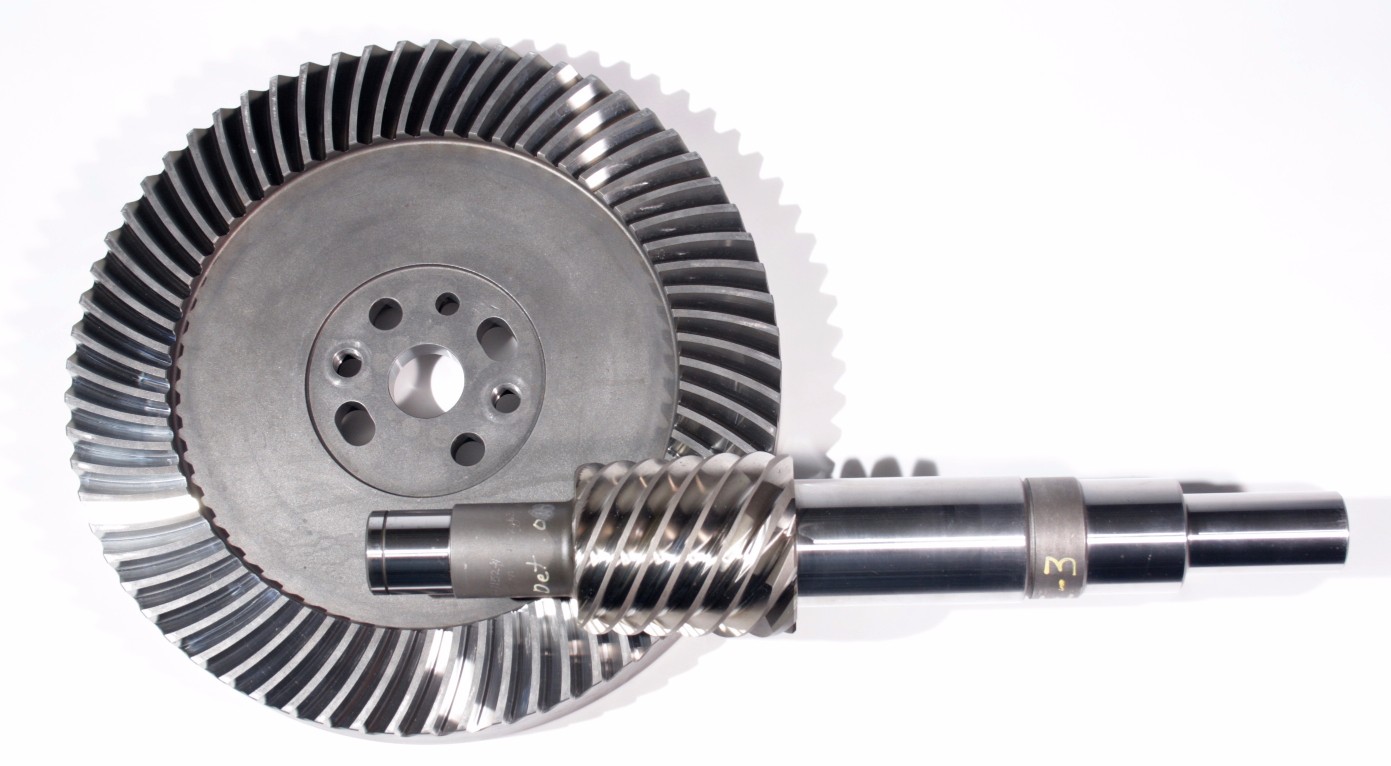
How do you retrofit an existing mechanical system with a bevel gear?
Retrofitting an existing mechanical system with a bevel gear involves modifying the system to incorporate the bevel gear for improved functionality or performance. Here’s a detailed explanation of the retrofitting process:
- Evaluate the Existing System: Begin by thoroughly evaluating the existing mechanical system. Understand its design, components, and operational requirements. Identify the specific areas where the introduction of a bevel gear can enhance the system’s performance, efficiency, or functionality.
- Analyze Compatibility: Assess the compatibility of the existing system with the integration of a bevel gear. Consider factors such as available space, load requirements, torque transmission, and alignment feasibility. Determine if any modifications or adaptations are necessary to accommodate the bevel gear.
- Design Considerations: Based on the system evaluation and compatibility analysis, develop a design plan for incorporating the bevel gear. Determine the appropriate gear type, size, and configuration that best suits the retrofitting requirements. Consider factors such as gear ratio, torque capacity, tooth profile, and mounting options.
- Modify Components: Identify the components that need modification or replacement to integrate the bevel gear. This may involve machining new shafts or shaft extensions, modifying housing or mounting brackets, or adapting existing components to ensure proper alignment and engagement with the bevel gear.
- Ensure Proper Alignment: Proper alignment is crucial for the successful integration of the bevel gear. Ensure that the existing system components and the bevel gear are aligned accurately to maintain smooth and efficient power transmission. This may involve adjusting shaft positions, aligning bearing supports, or employing alignment fixtures during the retrofitting process.
- Lubrication and Sealing: Consider the lubrication requirements of the bevel gear system. Ensure that appropriate lubricants are selected and provisions for lubrication are incorporated into the retrofit design. Additionally, pay attention to sealing arrangements to prevent lubricant leakage or ingress of contaminants into the gear system.
- Testing and Validation: After the retrofitting process is complete, conduct thorough testing and validation of the modified mechanical system. Ensure that the bevel gear functions as intended and meets the desired performance requirements. Perform functional tests, load tests, and monitor the system for any abnormalities or issues.
- Maintenance and Documentation: Develop a maintenance plan for the retrofitted system, including periodic inspection, lubrication, and any specific maintenance tasks related to the bevel gear. Document the retrofitting process, including design modifications, component specifications, alignment procedures, and any other relevant information. This documentation will be valuable for future reference, troubleshooting, or potential further modifications.
Retrofitting an existing mechanical system with a bevel gear requires careful planning, engineering expertise, and attention to detail. It is recommended to involve experienced gear engineers or professionals with expertise in retrofitting processes to ensure a successful integration and optimal performance of the bevel gear within the system.
By retrofitting an existing mechanical system with a bevel gear, it is possible to enhance its capabilities, improve efficiency, enable new functionalities, or address specific performance issues. Proper analysis, design, and implementation are essential to achieve a successful retrofit and realize the desired benefits of incorporating a bevel gear into the system.
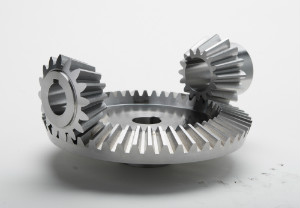
What industries commonly use bevel gears?
Bevel gears find applications in various industries where changes in direction or speed of rotational motion are required. Here’s a detailed explanation of the industries commonly using bevel gears:
- Industria automobilistica: Bevel gears are widely used in the automotive industry, particularly in differentials. Differentials are responsible for distributing torque between the driving wheels of a vehicle, allowing them to rotate at different speeds when turning. Bevel gears in differentials transmit power from the engine to the wheels, enabling smooth cornering and improved traction.
- Mechanical Engineering and Manufacturing: Bevel gears are employed in mechanical power transmission systems in various machinery and equipment used in the manufacturing industry. They are used in applications such as power tools, machine tools, conveyors, and printing presses. By meshing with other bevel gears or with spur gears, they transmit torque and power efficiently from one shaft to another, accommodating changes in direction and speed.
- Marine and Naval Industry: Bevel gears are extensively used in marine propulsion systems, including boats and ships. They are commonly found in the propulsion shaft line, where they transmit torque from the engine to the propeller shaft, allowing the vessel to move through water. Bevel gears in marine applications are designed to withstand high loads, resist corrosion, and operate efficiently in harsh environments.
- Industria aerospaziale: Bevel gears are utilized in various aerospace applications. They are employed in aircraft landing gear systems, where they transmit torque from the hydraulic motor to extend or retract the landing gear. Bevel gears are also found in helicopter rotor systems, providing the necessary power transmission to rotate the rotor blades.
- Railway and Transportation Industry: Bevel gears play a crucial role in railway systems, particularly in locomotives and rolling stock. They are used in the transmission systems to transfer power from the engine to the wheels. Bevel gears ensure smooth and efficient power transfer, enabling the train to move forward or backward while negotiating curves on the track.
- Industrial Machinery and Robotics: Bevel gears are extensively employed in various industrial machinery, such as milling machines, lathes, and industrial robots. They facilitate changes in direction and speed of rotational motion, enabling precise positioning, accurate cutting, and smooth operation of the machinery.
- Mining and Construction Industry: Bevel gears are used in mining and construction equipment to transfer power and torque in heavy-duty applications. They are found in equipment such as excavators, bulldozers, and crushers, where they provide reliable power transmission in challenging environments.
These are just a few examples of the industries commonly using bevel gears. Their ability to transmit power, change the direction of rotational motion, and accommodate intersecting shafts makes them versatile and suitable for a wide range of applications in various industries.
In summary, bevel gears are commonly used in industries such as automotive, mechanical engineering and manufacturing, marine and naval, aerospace, railway and transportation, industrial machinery and robotics, and mining and construction. Their applications span across industries where changes in direction or speed of rotational motion are essential for efficient and reliable operation.


editor by CX 2023-09-23
 Italian
  English