
Descrizione del prodotto
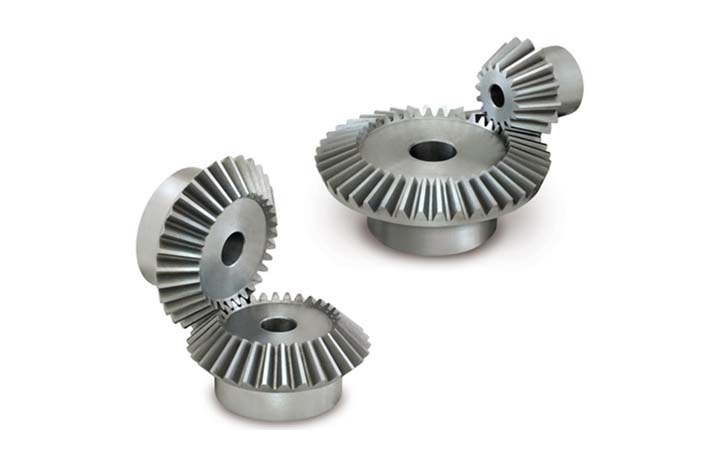
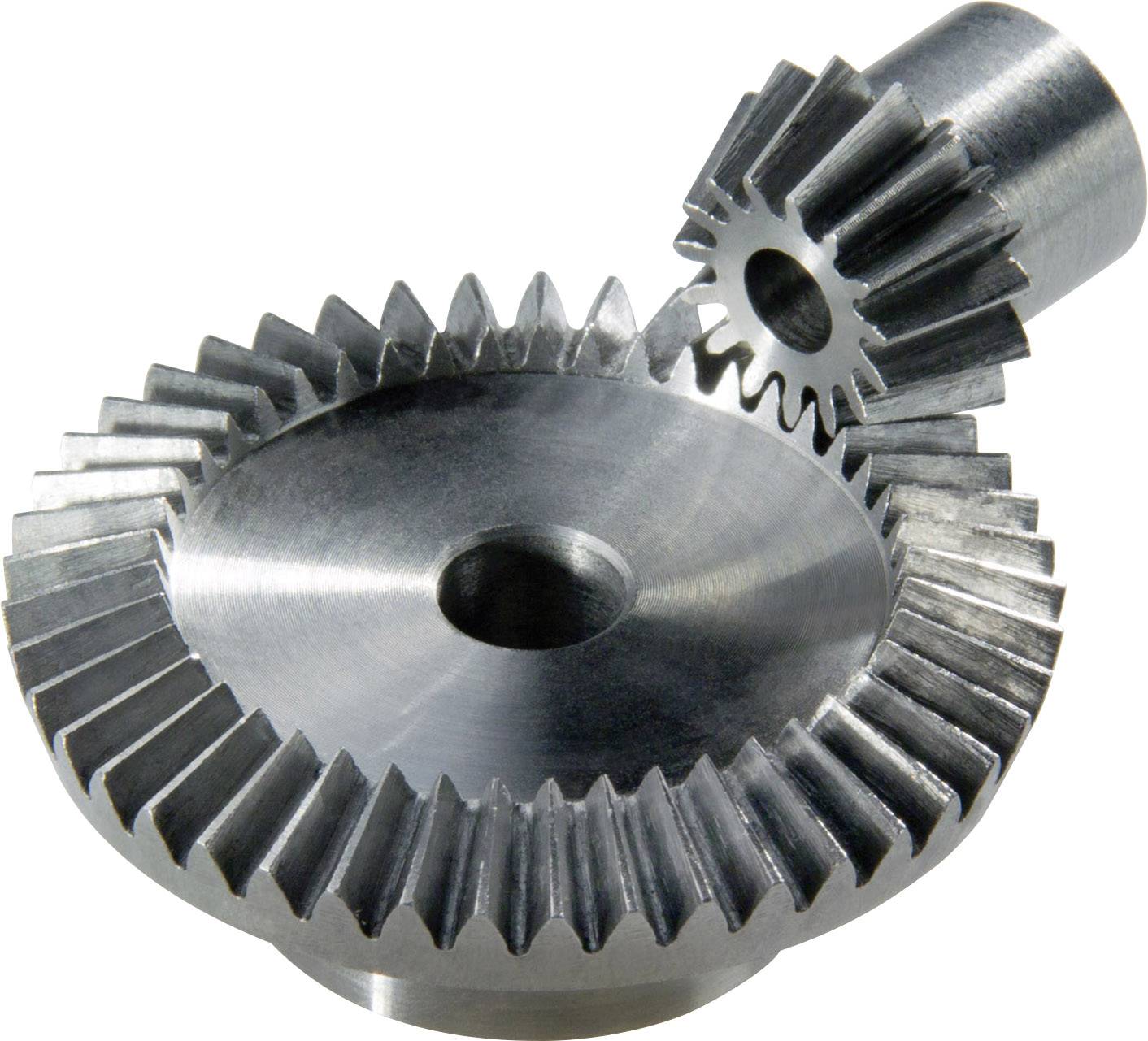
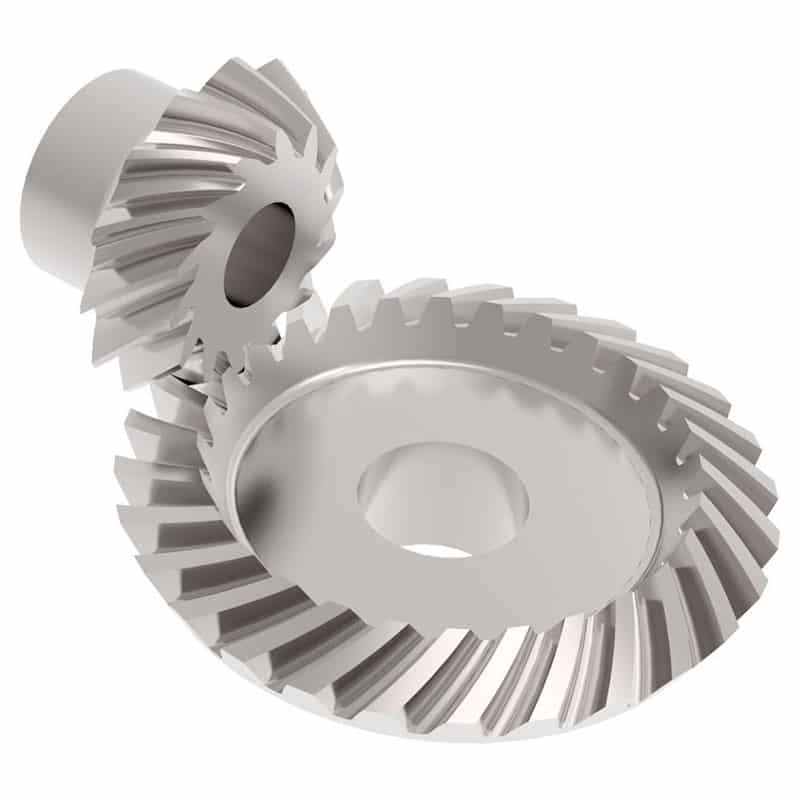
Custom Construction Machinery Spiral Bevel Gear
1. Description
| No. | Item | Description |
| 1 | Name | Ingranaggio conico elicoidale |
| 2 | Size | Products can be customized. |
| 3 | Manufacture Standard | 5-8 Grade ISO1328-1997. |
| 4 | Material | 45#Steel,20CrMnTi,40Cr,20CrNiMo,20MnCr5,GCR15SiMn,42CrMo,2Cr13stainless steel,Nylon,Bakelite,Copper,Aluminium.etc |
| 5 | Production Process | The main process is Gear Milling and Gear Grinding, Selecting production process according to the different products. |
| 6 | Heat Treatment | Carburizing and quenching ,High-frequency quenching,Nitriding, Hardening and tempering, Selecting heat treatment according to the different materials. |
| 7 | Testing Equipment | Rockwell hardness tester 500RA, Double mesh instrument HD-200B & 3102,Gear measurement center instrument CNC3906T and other High precision detection equipments |
| 8 | Certification | GB/T19001-2016/ISO9001:2015 |
| 9 | Usage | Used in printing machine, cleaning machine, medical equipment, garden machine, construction machine, electric car, valve, forklift, transportation equipment and various gear reducers.etc |
| 10 | Package | According to customer’s request |
2. Photos
3. Order process
a. Customer sends us the drawing or sample, If only sample, our company supply the CAD drawing.
b. Our company supplies the processing technique and quotation.
c. Our company supplies the sample after customer confirmed processing technique and quotation.
d. Customer places the order after confirm the sample.
e. Customer pay 50% deposit
f. Quantity production.
g. Pay the balance after the acceptance and confirmation.
h. Delivery.
| Applicazione: | Electric Cars, Machinery, Agricultural Machinery, Car |
|---|---|
| Hardness: | Hardened Tooth Surface |
| Gear Position: | External Gear |
| Manufacturing Method: | Gear Hobbing, Gear Shaping and Gear Grinding |
| Forma della porzione dentata: | Involute |
| Materiale: | 45#Steel,20crmnti,40cr,20CrNiMo,20mncr5,Gcr15simn, |
| Samples: |
US$ 3.5/Piece
1 Piece(Min.Order) | |
|---|
| Customization: |
Available
| Customized Request |
|---|
What is the lifespan of a typical bevel gear?
The lifespan of a typical bevel gear can vary depending on several factors, including the quality of the gear, the operating conditions, maintenance practices, and the specific application. Here’s a detailed explanation:
Bevel gears, like any mechanical component, have a finite lifespan. The lifespan of a bevel gear is influenced by the following factors:
- Quality of the Gear: The quality of the gear itself is a significant factor in determining its lifespan. Bevel gears manufactured using high-quality materials and precise manufacturing processes tend to have longer lifespans. Gears made from durable materials and manufactured with tight tolerances and accurate tooth profiles are more resistant to wear and fatigue, resulting in extended lifespans.
- Operating Conditions: The operating conditions under which the bevel gear operates greatly affect its lifespan. Factors such as torque levels, rotational speed, temperature, and shock loads can impact the wear and fatigue characteristics of the gear. Gears subjected to high torque, high-speed rotation, excessive heat, or frequent heavy loads may experience accelerated wear and reduced lifespan compared to gears operating under milder conditions.
- Maintenance Practices: Proper maintenance practices can significantly extend the lifespan of a bevel gear. Regular inspection, lubrication, and preventive maintenance help identify and address potential issues before they escalate. Adequate lubrication, cleanliness, and alignment contribute to reducing wear, minimizing the risk of damage, and prolonging the gear’s lifespan. Neglecting maintenance or improper maintenance practices can lead to premature wear, failure, and reduced lifespan.
- Application Specifics: The specific application in which the bevel gear is used plays a vital role in determining its lifespan. Different applications impose varying loads, speeds, and operating conditions on the gear. Gears used in heavy-duty industrial applications, such as mining or heavy machinery, may experience more significant wear and have shorter lifespans compared to gears used in lighter-duty applications.
- Load Distribution: Proper load distribution among the gear teeth is critical for ensuring longevity. Evenly distributed loads help prevent localized wear and ensure that no individual teeth are subjected to excessive stress. Factors such as gear design, tooth profile, and accurate alignment influence load distribution and can impact the gear’s lifespan.
Due to the complex interplay of these factors, it is challenging to provide a specific lifespan for a typical bevel gear. However, with proper design, high-quality manufacturing, suitable operating conditions, regular maintenance, and appropriate load distribution, bevel gears can have a lifespan ranging from several thousand to tens of thousands of operating hours.
It is important to note that monitoring the gear’s condition, including wear patterns, tooth damage, and any signs of failure, is crucial for ensuring safe and reliable operation. When signs of wear or damage become significant or when the gear no longer meets the required performance criteria, replacement or refurbishment should be considered to maintain the overall system’s integrity and performance.
How do you address noise and vibration issues in a bevel gear system?
Noise and vibration issues in a bevel gear system can be disruptive, affect performance, and indicate potential problems. Addressing these issues involves identifying the root causes and implementing appropriate solutions. Here’s a detailed explanation:
When dealing with noise and vibration in a bevel gear system, the following steps can help address the issues:
- Analyze the System: Begin by analyzing the system to identify the specific sources of noise and vibration. This may involve conducting inspections, measurements, and tests to pinpoint the areas and components contributing to the problem. Common sources of noise and vibration in a bevel gear system include gear misalignment, improper meshing, inadequate lubrication, worn gears, and resonance effects.
- Check Gear Alignment: Proper gear alignment is crucial for minimizing noise and vibration. Misalignment can cause uneven loading, excessive wear, and increased noise. Ensure that the bevel gears are correctly aligned both axially and radially. This can involve adjusting the mounting position, shimming, or realigning the gears to achieve the specified alignment tolerances.
- Optimize Gear Meshing: Proper gear meshing is essential for reducing noise and vibration. Ensure that the gear teeth profiles, sizes, and surface qualities are suitable for the application. Improper tooth contact, such as excessive or insufficient contact, can lead to noise and vibration issues. Adjusting the gear tooth contact pattern, modifying gear profiles, or using anti-backlash gears can help optimize gear meshing and reduce noise and vibration.
- Ensure Adequate Lubrication: Proper lubrication is critical for minimizing friction, wear, and noise in a bevel gear system. Insufficient lubrication or using the wrong lubricant can lead to increased friction and noise generation. Check the lubrication system, ensure the correct lubricant type and viscosity are used, and verify that the gears are adequately lubricated. Regular lubricant analysis and maintenance can help maintain optimal lubrication conditions and reduce noise and vibration.
- Inspect and Replace Worn Gears: Worn or damaged gears can contribute to noise and vibration problems. Regularly inspect the gears for signs of wear, pitting, or tooth damage. If significant wear is detected, consider replacing the worn gears with new ones to restore proper gear meshing and reduce noise. Additionally, ensure that the gear materials are suitable for the application and provide adequate strength and durability.
- Address Resonance Effects: Resonance can amplify noise and vibration in a bevel gear system. Identify any resonant frequencies within the system and take steps to mitigate their effects. This may involve adjusting gear parameters, adding damping materials or structures, or altering the system’s natural frequencies to minimize resonance and associated noise and vibration.
Implementing these steps can help address noise and vibration issues in a bevel gear system. However, it is important to note that each system is unique, and the specific solutions may vary depending on the circumstances. Consulting with experts in gear design and vibration analysis can provide valuable insights and ensure effective resolution of noise and vibration problems.
Qual è lo scopo dell'utilizzo di ingranaggi conici nelle trasmissioni ad angolo retto?
L'uso di coppie coniche nelle trasmissioni ad angolo retto ha diversi scopi e offre vantaggi nella trasmissione di potenza in modo efficiente e fluido con un angolo di 90 gradi. Ecco una spiegazione dettagliata dello scopo dell'utilizzo dei rinvii angolari nelle trasmissioni ad angolo retto:
- Cambio di direzione: Uno degli scopi principali dell'uso delle coppie coniche nelle trasmissioni ad angolo retto è quello di cambiare la direzione del moto rotatorio. Gli ingranaggi conici sono progettati per trasmettere potenza tra alberi intersecanti o non paralleli, consentendo all'albero di ingresso e all'albero di uscita di essere orientati con un angolo di 90 gradi. Ciò è particolarmente utile nelle applicazioni in cui lo spazio o i vincoli meccanici richiedono un cambio di direzione, come nei differenziali automobilistici o nei sistemi di trasmissione di potenza che richiedono un design compatto.
- Efficienza dello spazio: I riduttori angolari offrono una soluzione efficiente in termini di spazio per gli azionamenti ad angolo retto. Il loro design compatto consente una trasmissione efficace della potenza in applicazioni con spazio limitato. Utilizzando i rinvii angolari, il sistema di trasmissione può essere progettato in modo da occupare un ingombro ridotto rispetto ad altri meccanismi, rendendoli adatti ad applicazioni in cui lo spazio è un fattore critico.
- Trasmissione di coppia: Gli ingranaggi conici sono in grado di trasmettere carichi di coppia elevati e sono quindi adatti alle trasmissioni ad angolo retto. L'ingranamento dei denti dell'ingranaggio fornisce un collegamento forte e affidabile, consentendo una trasmissione efficiente della potenza anche con un angolo di 90 gradi. Questo rende i rinvii angolari adatti ad applicazioni che richiedono la trasmissione di coppie consistenti, come ad esempio nei macchinari industriali, nelle attrezzature agricole e nei sistemi di trasmissione di potenza per impieghi gravosi.
- Regolazione della velocità: Le coppie coniche negli azionamenti ad angolo retto consentono di regolare la velocità tra l'albero di ingresso e quello di uscita. Scegliendo ingranaggi conici con diversi numeri di denti, è possibile regolare la velocità di rotazione in base ai requisiti di uscita desiderati. Questa caratteristica è utile nelle applicazioni in cui sono necessarie velocità diverse per operazioni specifiche o per soddisfare i requisiti dell'apparecchiatura azionata.
- Versatilità: Le coppie coniche offrono versatilità nelle trasmissioni ortogonali. Possono essere progettate con diversi profili di denti, come quelli a taglio dritto, a spirale o a zerolo, per ottimizzare le prestazioni in base a fattori quali la riduzione del rumore, la capacità di carico e l'efficienza. Inoltre, gli ingranaggi conici possono essere prodotti con materiali diversi, per resistere a condizioni ambientali e requisiti differenti.
- Funzionamento regolare: Le coppie coniche, in particolare quelle a spirale, garantiscono un funzionamento fluido ed efficiente nelle trasmissioni ad angolo retto. L'innesto graduale dei denti curvi riduce la rumorosità, le vibrazioni e gli urti durante l'ingranaggio, garantendo un funzionamento più silenzioso e migliori prestazioni complessive del sistema.
- Ampia gamma di applicazioni: Gli ingranaggi conici trovano ampie applicazioni nelle trasmissioni ortogonali in diversi settori. Sono comunemente utilizzati nei differenziali automobilistici, nei sistemi di propulsione marina, nei macchinari industriali, nella robotica, nei sistemi aerospaziali e altro ancora. La capacità di trasmettere potenza con un angolo di 90 gradi in modo efficiente e affidabile rende le coppie coniche adatte a un'ampia gamma di applicazioni.
In sintesi, l'uso dei rinvii angolari nelle trasmissioni ad angolo retto offre vantaggi quali il cambio di direzione del moto, l'efficienza dello spazio, la trasmissione della coppia, la regolazione della velocità, la versatilità, il funzionamento regolare e l'idoneità per un'ampia gamma di applicazioni. Questi vantaggi rendono i rinvii angolari la scelta preferita in numerosi settori e sistemi che richiedono una trasmissione di potenza efficiente e affidabile con un angolo di 90 gradi.


editor by CX 2023-09-06
 Italian
  English